
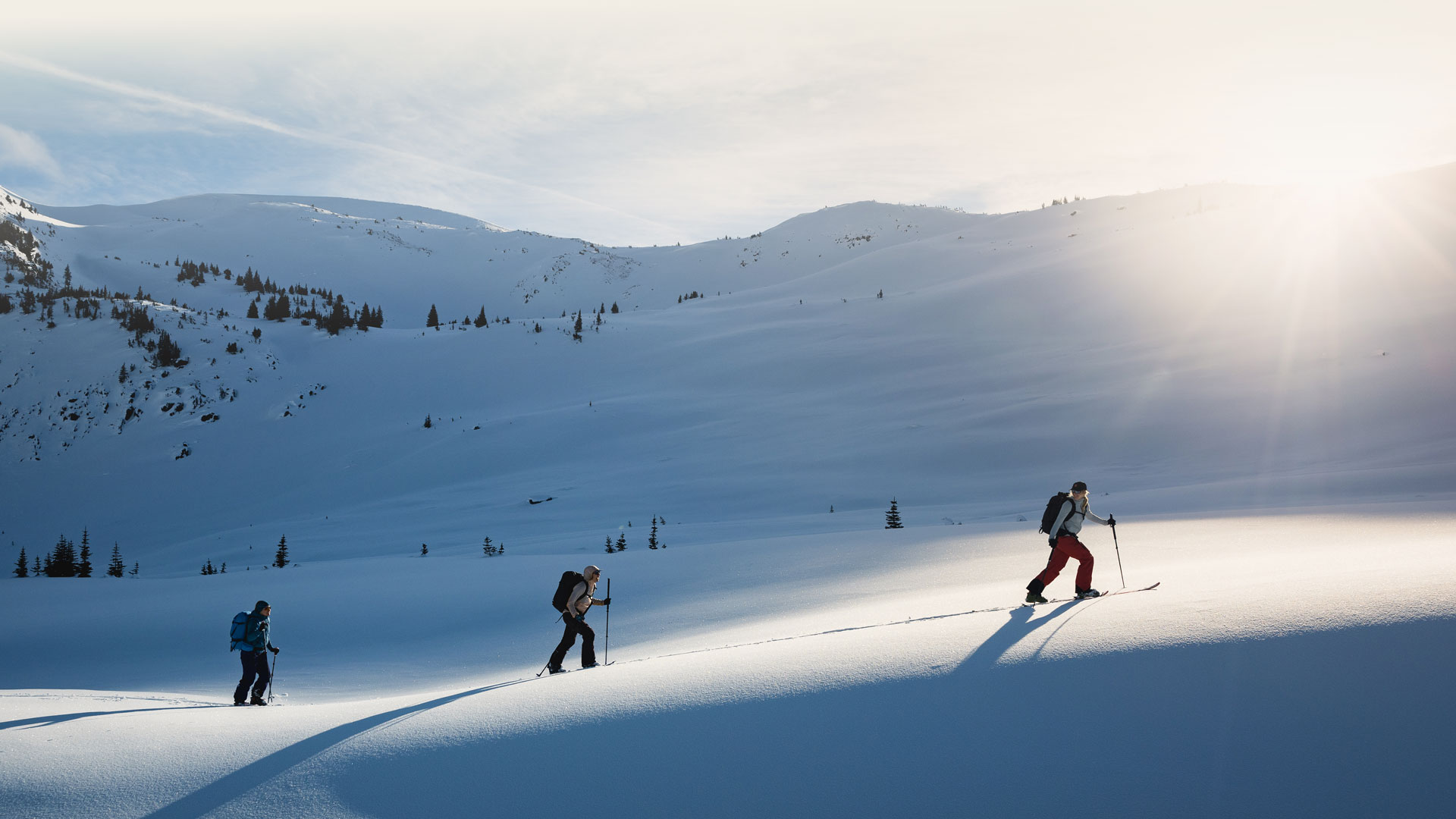
At Whitecap, safety isn’t just a policy, it’s the foundation of every trip we lead. Assessing snow stability and avalanche hazard is our first priority each day, and our decisions in the field are guided by decades of experience, industry-leading practices, and a commitment to the well-being of every guest.
Our Approach
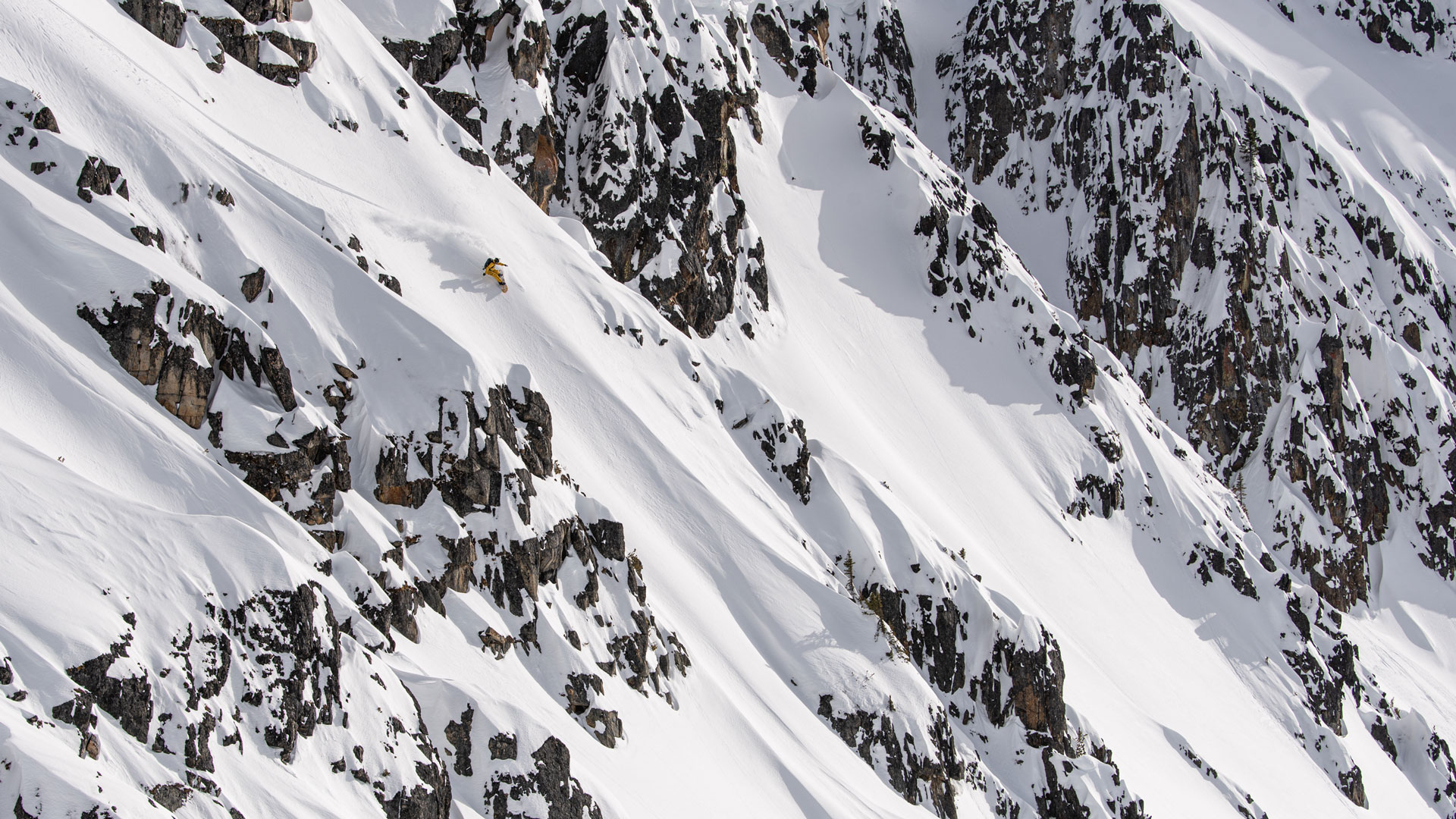
Each morning and evening, our guides review current conditions and establish a plan tailored to the safest, most rewarding terrain available. We follow a professional, comprehensive snow safety program that meets and often exceeds the strictest standards in our industry.
Guest Involvement & Training
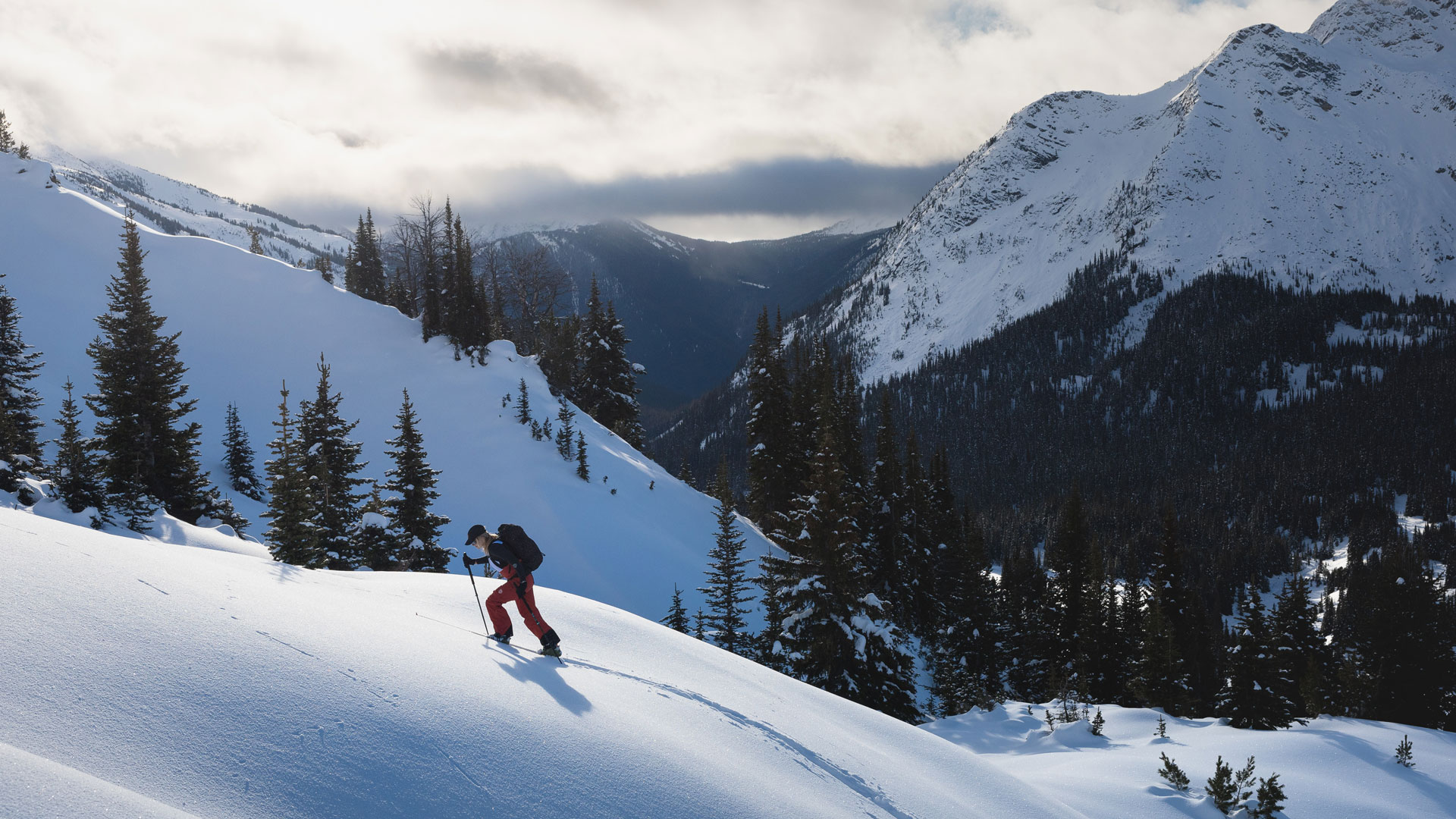
Safety is a shared effort. Guests travel daily with personal safety equipment and extra gear, and before each tour, our guides lead briefings on current conditions, safe travel practices, avalanche rescue techniques, and proper equipment use. We match groups to terrain based on skill, experience, and goals, ensuring everyone is both challenged and comfortable. Avalanche training from an accredited provider is recommended for all guests.
Guide Expertise
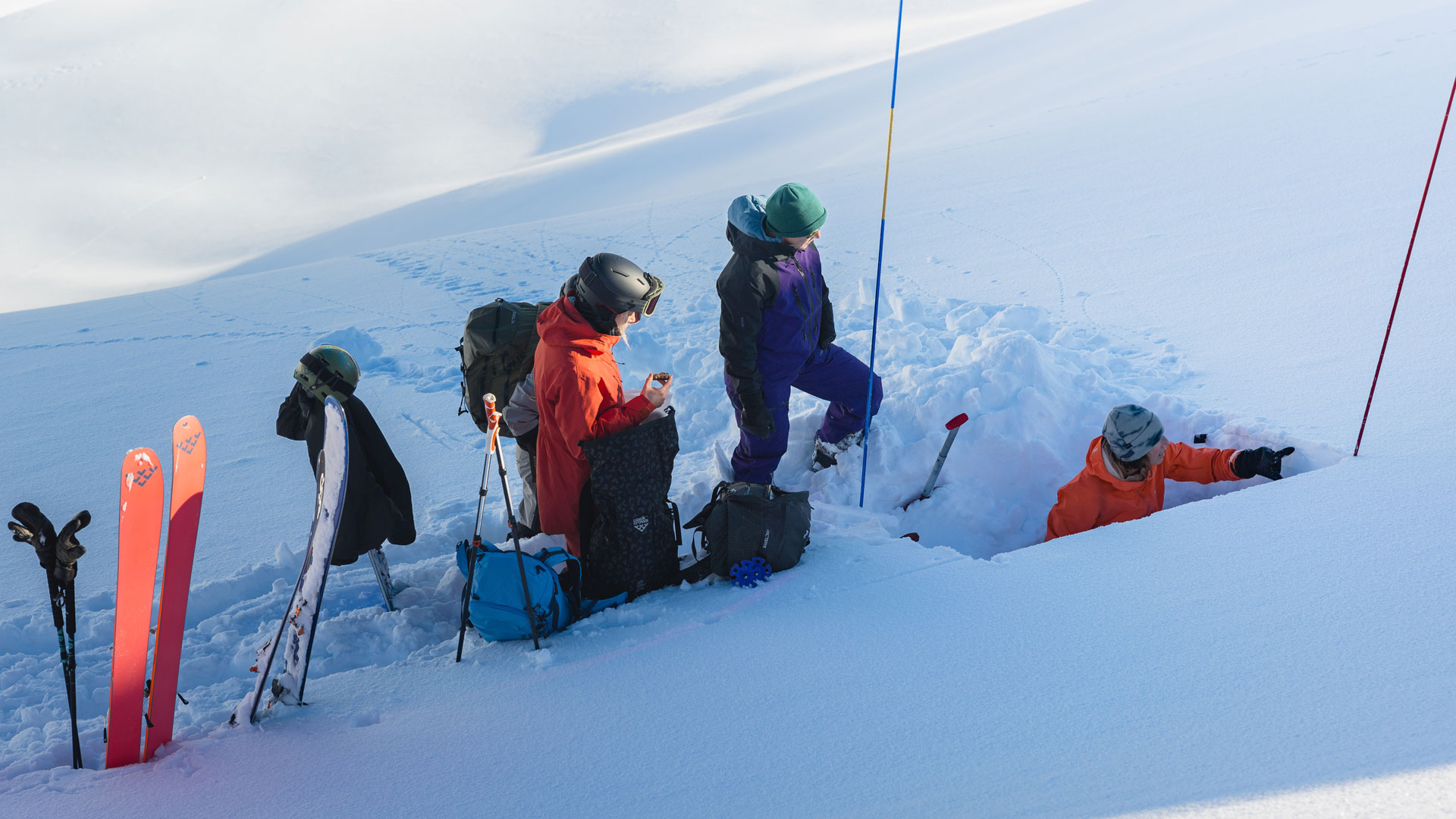
All our guides are ACMG or IFMGA certified ski guides or mountain guides. They use the most up-to-date snow evaluation and rescue methods, and their focus is always on making your experience safe, memorable, and inspiring.
Emergency Preparedness
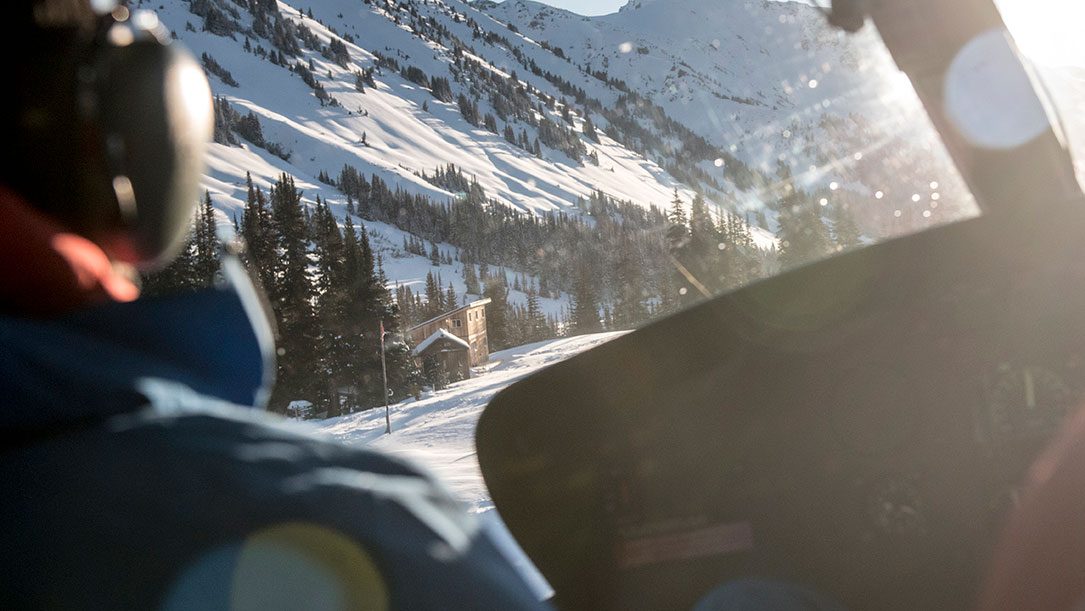
McGillivray Pass Lodge is equipped with complete and up-to-date rescue and first aid equipment. Our guides and staff are trained in lodge-specific rescue protocols and supported by a robust communication network for rapid response. We also have contingencies for outside resources should additional assistance be required.
Risk Management
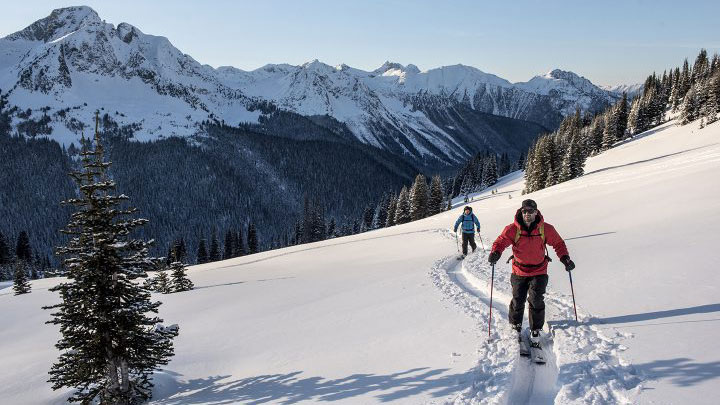
Whitecap recognizes that absolute safety cannot be guaranteed, and that risk is always part of the mountain environment. All our guides are ACMG or IFMGA certified ski guides or mountain guides. They conduct regular observations each morning and evening and collaborate to establish protocols based on current conditions. Through ongoing field observations and tests, they create opportunities to enjoy the best and safest skiing possible while minimizing risk.


