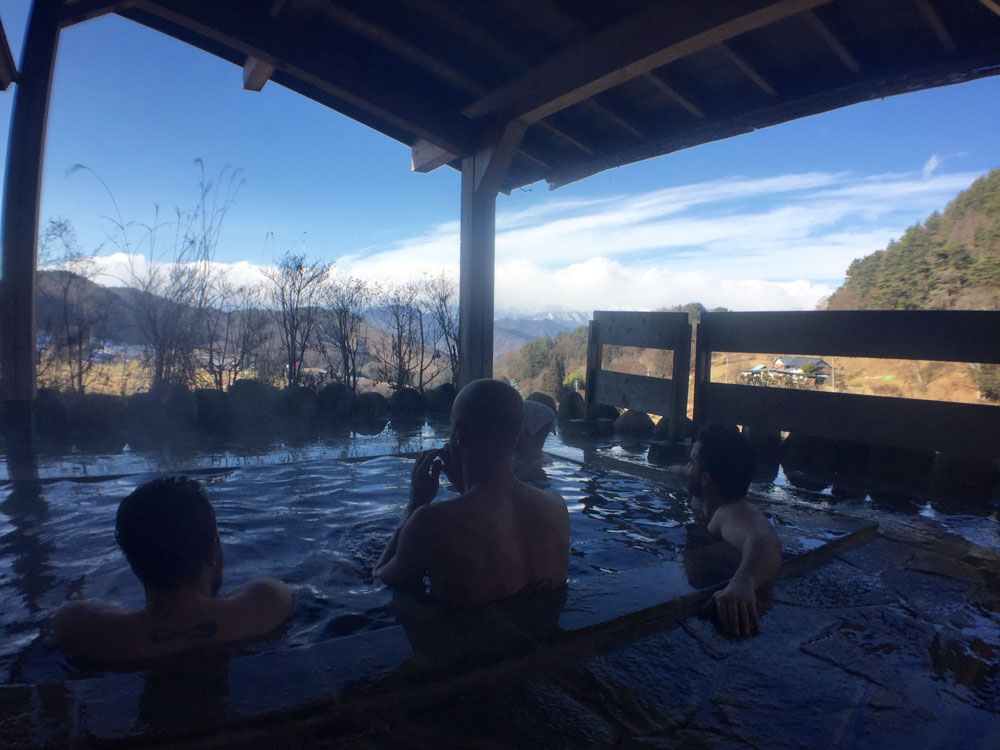
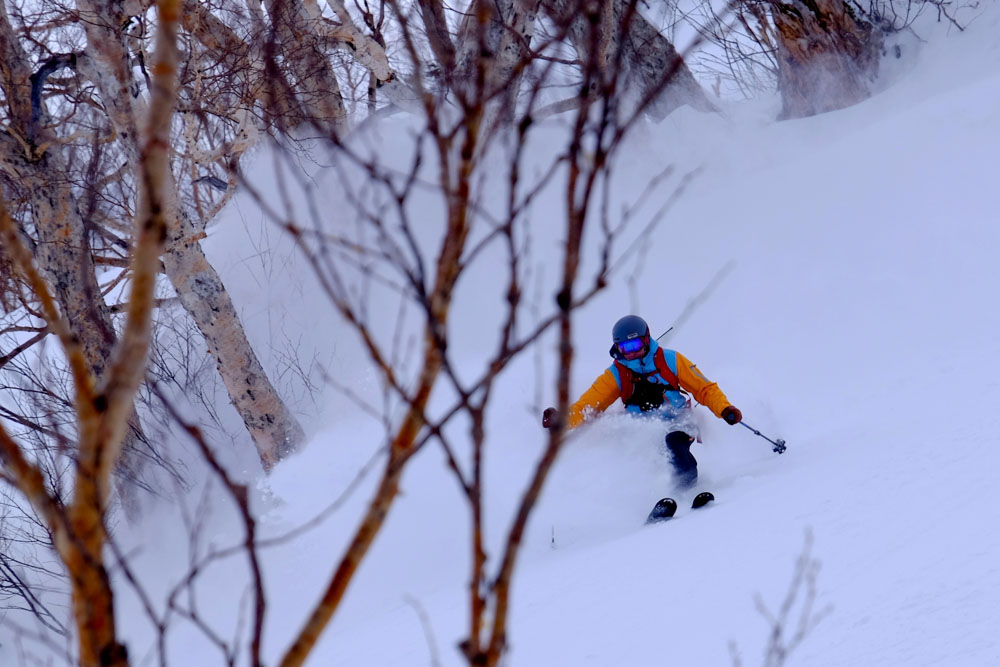
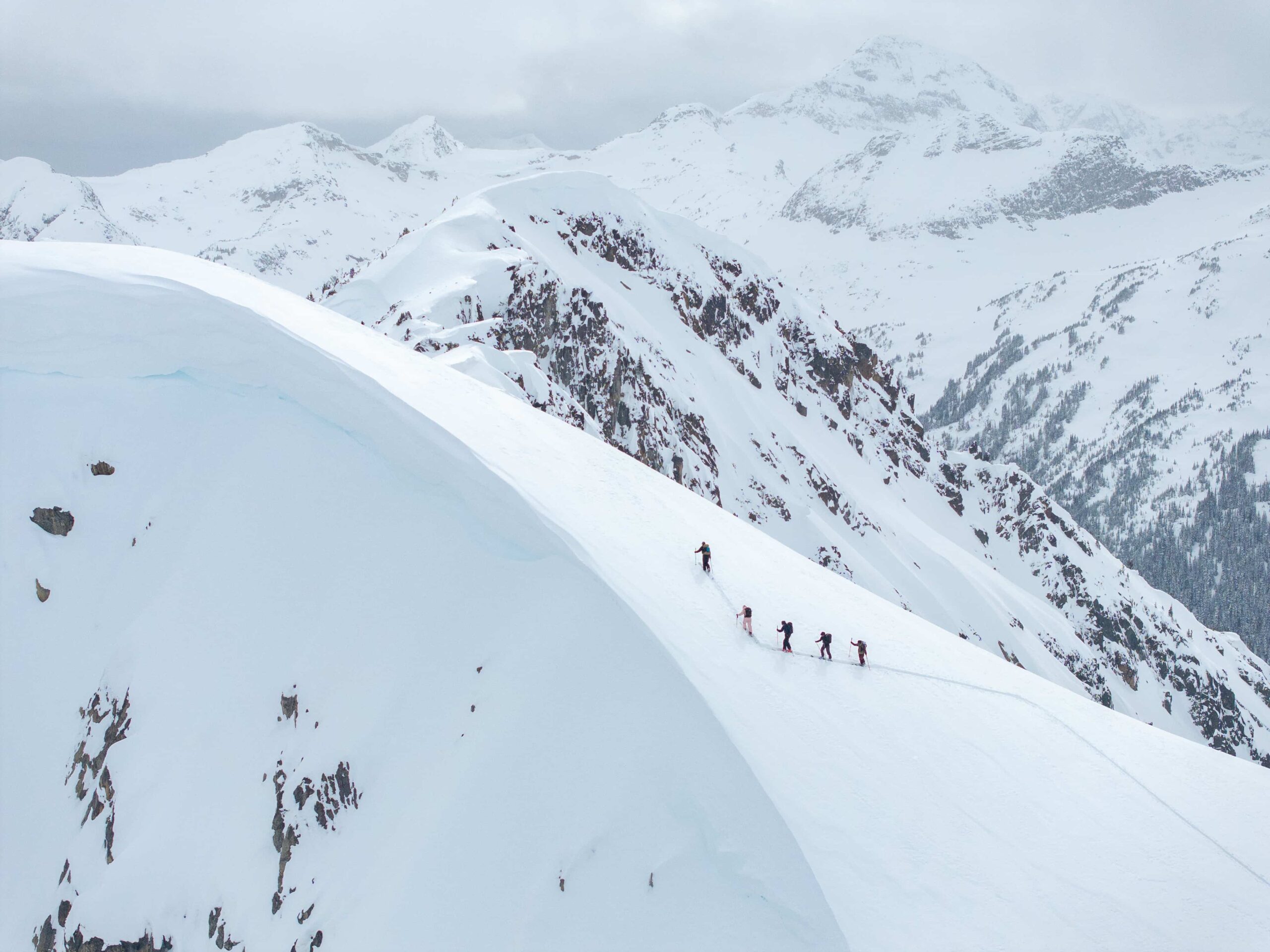
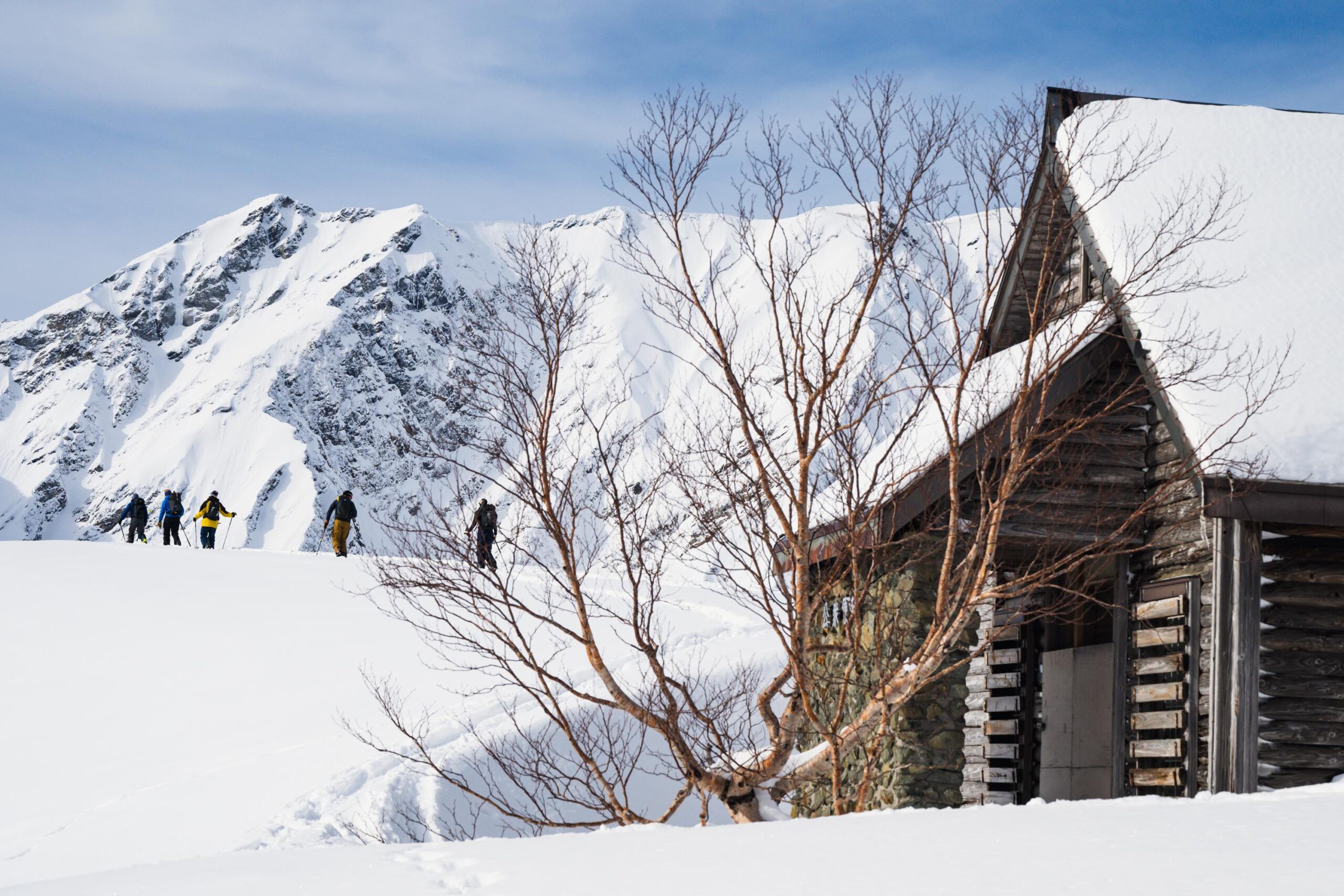
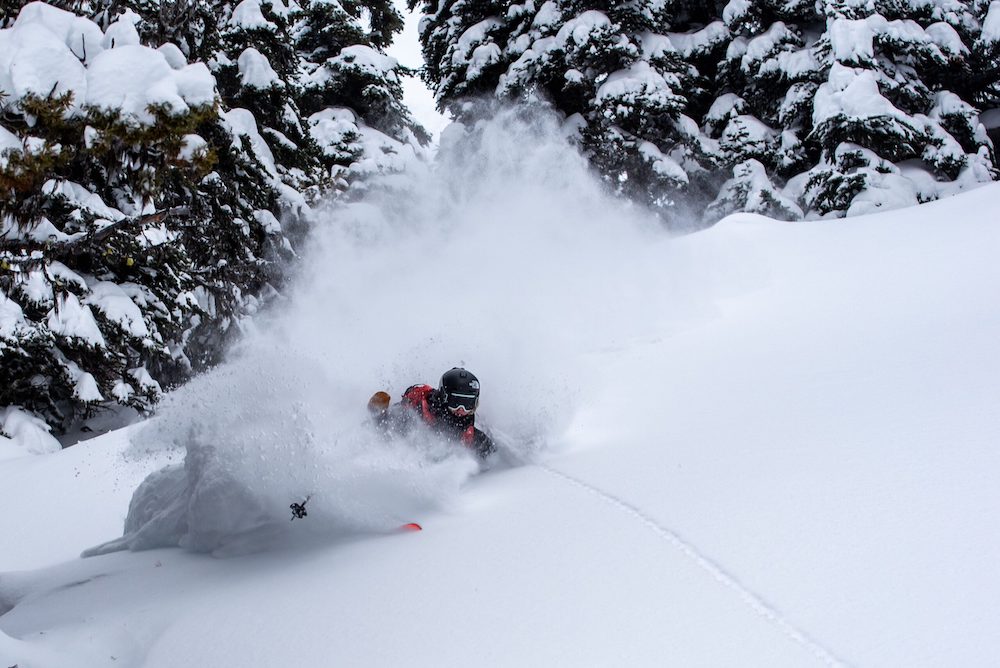
…and your typical FOMO-inducing views in Japan.
However, Murphy and his Law are never too far behind. The early season across the West last year was one for the books. Meanwhile, Japan had one of their slowest starts to a ski season in recent memory. Hakuba Valley, the multi-resort epicenter on the South Island, looked grey and desolate most of December. Resort snowfall totals before Christmas were about 30cm, compared to over 200cm the year previous. The web reports were looking grim (i.e not FOMO-inducing) as I prepared to head to Hakuba to guide several groups there for Whitecap International.
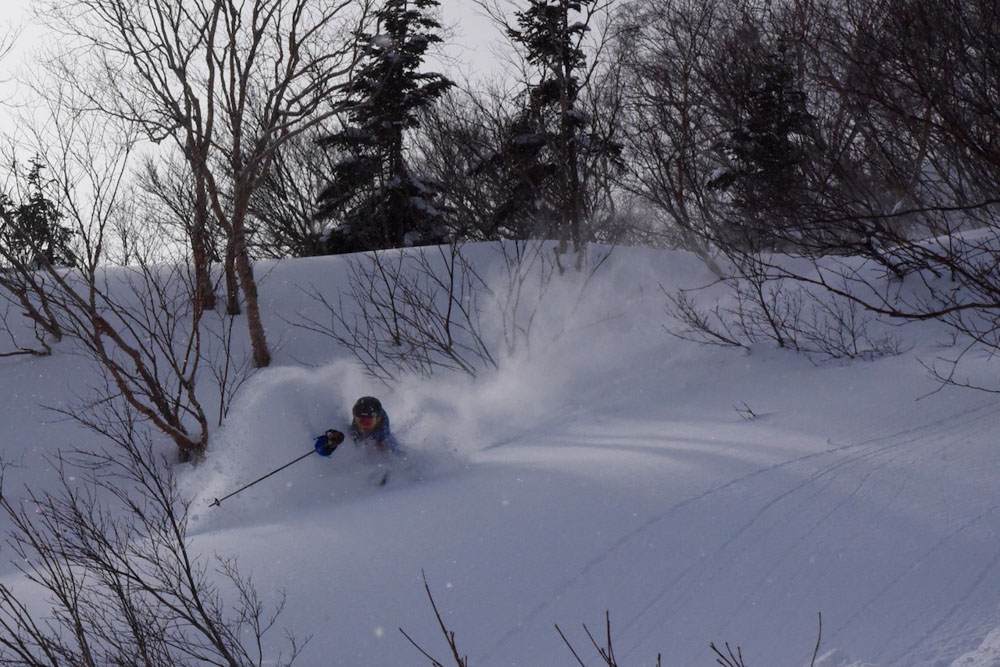
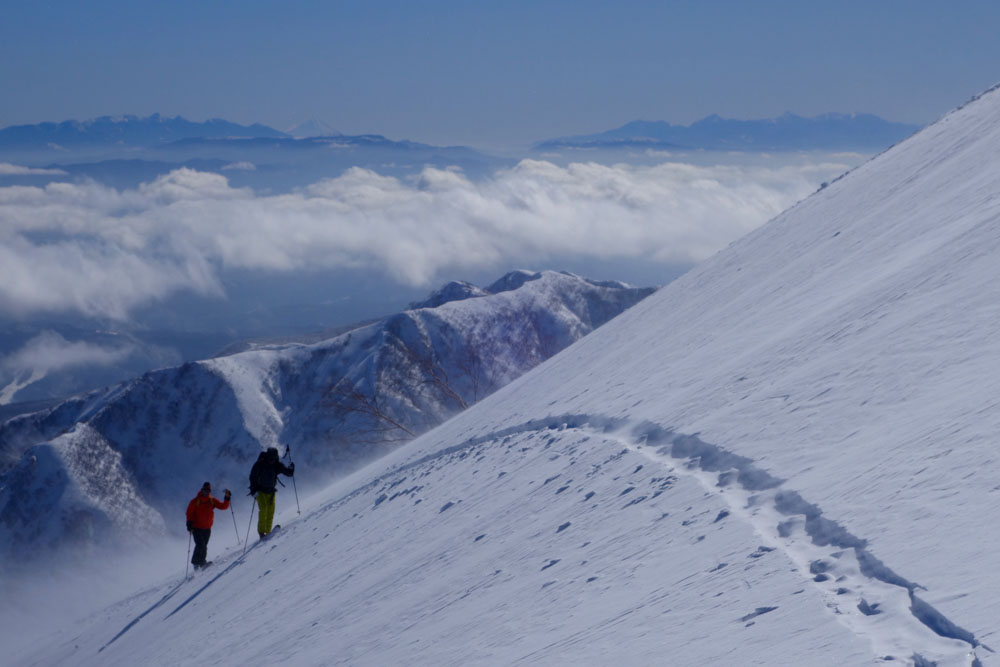
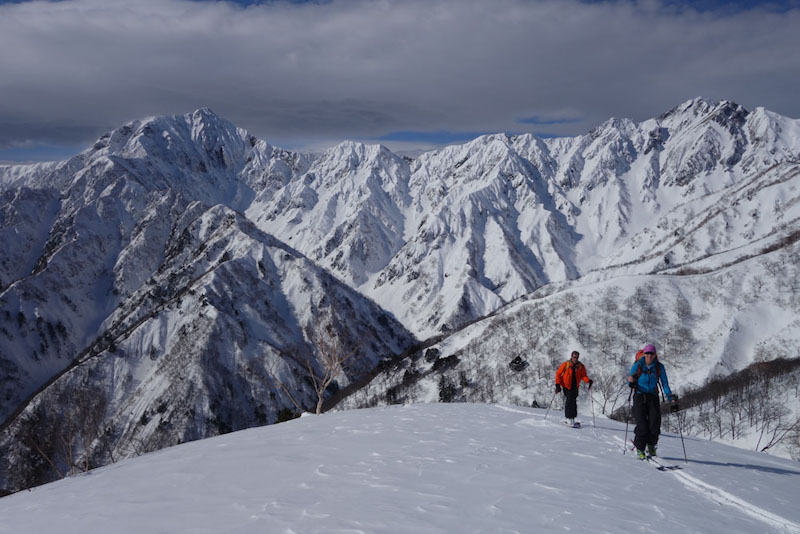
I arrived in the valley to spring-like conditions. A Christmas Eve storm had apparently dumped up to a metre of fresh, but there was no sign of it at low elevations. My guests were concerned as well, all having flown from places that are having banner early seasons like Whistler and Tahoe. On our first day of skiing however, our concerns vanished as quickly as the gondola gained elevation. The depth of snow steadily increased as the gondola climbed high up the Tsugaike Kogen resort, and even deeper as we skin up above the lifts and beyond the crowds. We experienced this elevation dependent snow phenomenon several times on our trip. It would snow lightly snow in the valley and on the resort runs, and we’d be pleasantly shocked by copious amounts of blower pow in the backcountry. It’s an anomaly we could live with, and it made for amazing ski conditions up high, despite the lackluster looks of the lower reaches of the mountains.